
13 Jul Aidevisor: The Impact of Inventory Forecasting on Supply Chain Success
In today’s competitive eCommerce environment, inventory forecasting has become one of the most critical factors in achieving supply chain success. Whether businesses sell on Amazon, Walmart, Shopify, or other online marketplaces, maintaining the right inventory levels directly affects profitability, customer satisfaction, and operational efficiency. Companies that accurately forecast demand can reduce costs, improve fulfillment performance, and strengthen their position in the marketplace.
As businesses expand across the United States, United Kingdom, and UAE, supply chain complexity continues to grow. Fluctuating customer demand, seasonal trends, global sourcing challenges, and shipping disruptions make inventory planning more important than ever. Without an effective forecasting strategy, businesses risk stock shortages, excess inventory, delayed deliveries, and lost revenue.
This is where Aidevisor provides a competitive advantage. Through advanced inventory planning, supply chain management, sourcing expertise, and operational support, Aidevisor helps businesses make smarter inventory decisions that drive long-term growth and profitability.

Why Inventory Forecasting Matters
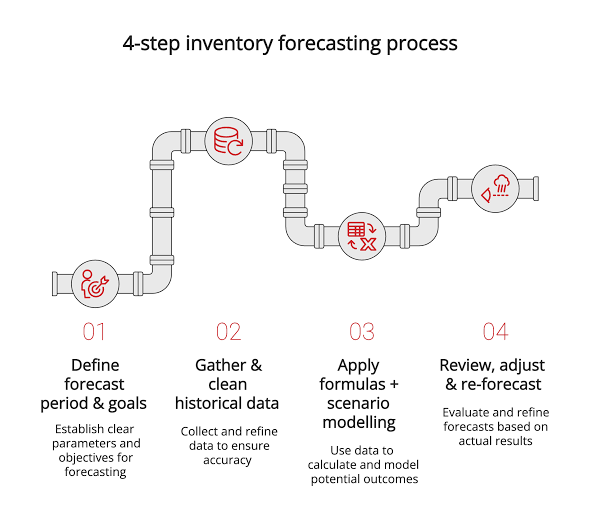
Inventory forecasting is the process of predicting future product demand based on historical sales data, market trends, seasonal patterns, and customer behavior. Effective forecasting allows businesses to maintain optimal inventory levels while minimizing operational risks.
When businesses accurately anticipate demand, they can ensure products are available when customers need them. This helps prevent stockouts, reduce excess inventory, and improve overall supply chain performance.
Poor forecasting, on the other hand, can create costly challenges. Overstocking ties up capital and increases storage expenses, while understocking leads to missed sales opportunities and dissatisfied customers. A strong forecasting strategy helps businesses achieve the right balance between inventory availability and cost efficiency.
Reducing Stockouts and Lost Sales
One of the most significant benefits of inventory forecasting is the ability to reduce stock shortages.
When products become unavailable, customers often turn to competitors. This results in lost revenue, reduced customer loyalty, and lower marketplace rankings. For Amazon sellers, stockouts can also negatively impact product visibility and sales momentum.
Aidevisor helps businesses forecast demand more accurately by analyzing sales trends, seasonal fluctuations, and market conditions. This proactive approach ensures products remain available during peak demand periods, helping businesses maximize sales opportunities and maintain customer satisfaction.

Lowering Inventory Carrying Costs
Holding excessive inventory can be just as damaging as running out of stock.
Businesses that overestimate demand often face higher warehousing expenses, increased storage fees, and reduced cash flow flexibility. Excess inventory also creates risks associated with product obsolescence and slower inventory turnover.
Aidevisor helps businesses optimize inventory levels by aligning purchasing decisions with projected demand. By reducing unnecessary stock accumulation, businesses can improve cash flow and allocate resources more effectively toward growth initiatives.
Efficient inventory management contributes directly to stronger profitability and operational performance.
Improving Supply Chain Efficiency
A successful supply chain depends on coordination, visibility, and planning.
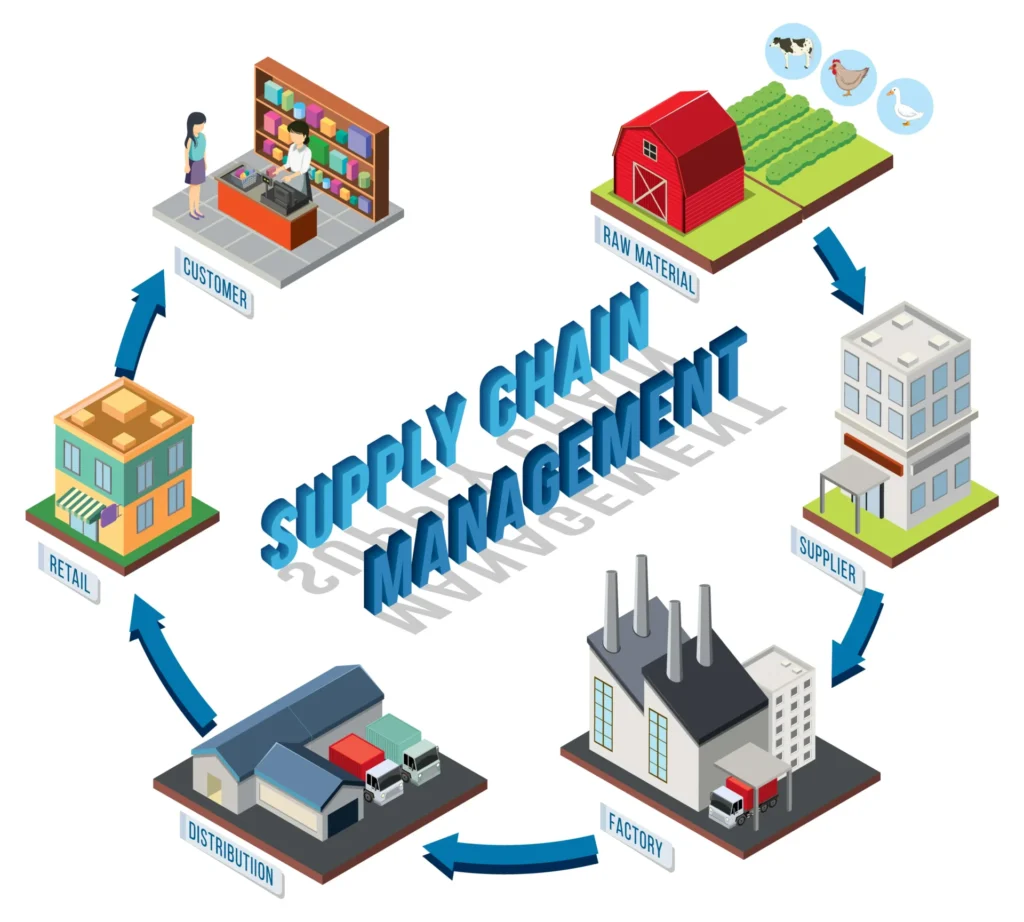
Inventory forecasting allows businesses to align procurement, sourcing, production, transportation, and fulfillment activities with anticipated demand. This alignment improves operational efficiency and reduces disruptions throughout the supply chain.
Aidevisor works closely with suppliers, logistics providers, warehouses, and marketplace operations to ensure inventory planning supports broader business objectives. This integrated approach creates smoother workflows and improves overall supply chain performance.
Businesses that invest in forecasting are better equipped to respond to market changes while maintaining consistent service levels.

Supporting Better Purchasing Decisions
Inventory forecasting provides valuable insights that guide purchasing decisions.
Without accurate demand projections, businesses may place orders based on assumptions rather than data. This can lead to costly inventory imbalances and supply chain inefficiencies.
Aidevisor utilizes data-driven forecasting methods that help businesses determine when to reorder products, how much inventory to purchase, and how to prepare for changing demand patterns. These insights improve purchasing accuracy and reduce the likelihood of inventory-related disruptions.
Smarter purchasing decisions contribute to stronger operational stability and long-term growth.
Enhancing Customer Satisfaction
Customer expectations continue to rise across all major marketplaces.
Shoppers expect products to be available, orders to be fulfilled quickly, and deliveries to arrive on time. Inventory forecasting plays a vital role in meeting these expectations by ensuring businesses have the right products available when customers are ready to purchase.
Aidevisor helps businesses improve inventory visibility and fulfillment readiness, allowing them to deliver a more reliable customer experience. Consistent product availability strengthens customer trust, improves retention, and increases repeat purchases.
Businesses that prioritize inventory forecasting are better positioned to maintain strong customer relationships and positive brand perceptions.
Preparing for Seasonal Demand Fluctuations
Seasonal trends can significantly impact product demand.
Major shopping events, holiday periods, promotional campaigns, and marketplace sales events often create dramatic increases in order volume. Businesses that fail to prepare for these fluctuations may experience inventory shortages and fulfillment challenges.
Aidevisor helps businesses identify seasonal demand patterns and develop forecasting strategies that support peak-period readiness. By planning ahead, businesses can secure inventory, coordinate logistics, and maintain service quality during high-demand periods.
This proactive planning helps maximize revenue opportunities while minimizing operational disruptions.
Leveraging Data and Technology for Forecasting
Modern inventory forecasting relies heavily on data analytics and technology.
Businesses that leverage real-time sales data, demand trends, customer behavior insights, and inventory performance metrics can make more informed decisions. Advanced forecasting tools improve accuracy and provide greater visibility across the supply chain.
Aidevisor combines industry expertise with data-driven methodologies to help businesses improve forecasting accuracy and operational efficiency. Through ongoing analysis and performance monitoring, businesses can continuously refine their inventory strategies and adapt to changing market conditions.
This commitment to continuous improvement helps support sustainable business growth.

Why Businesses Choose Aidevisor
Inventory forecasting is not an isolated function. It influences sourcing, procurement, logistics, warehousing, fulfillment, customer satisfaction, and overall profitability.
Aidevisor delivers comprehensive supply chain solutions that connect every stage of the inventory management process. From supplier coordination and demand planning to logistics support and marketplace optimization, Aidevisor helps businesses build efficient and scalable operations.
With extensive experience supporting businesses across the US, UK, and UAE, Aidevisor empowers brands to make smarter inventory decisions and achieve stronger marketplace performance.
No Comments